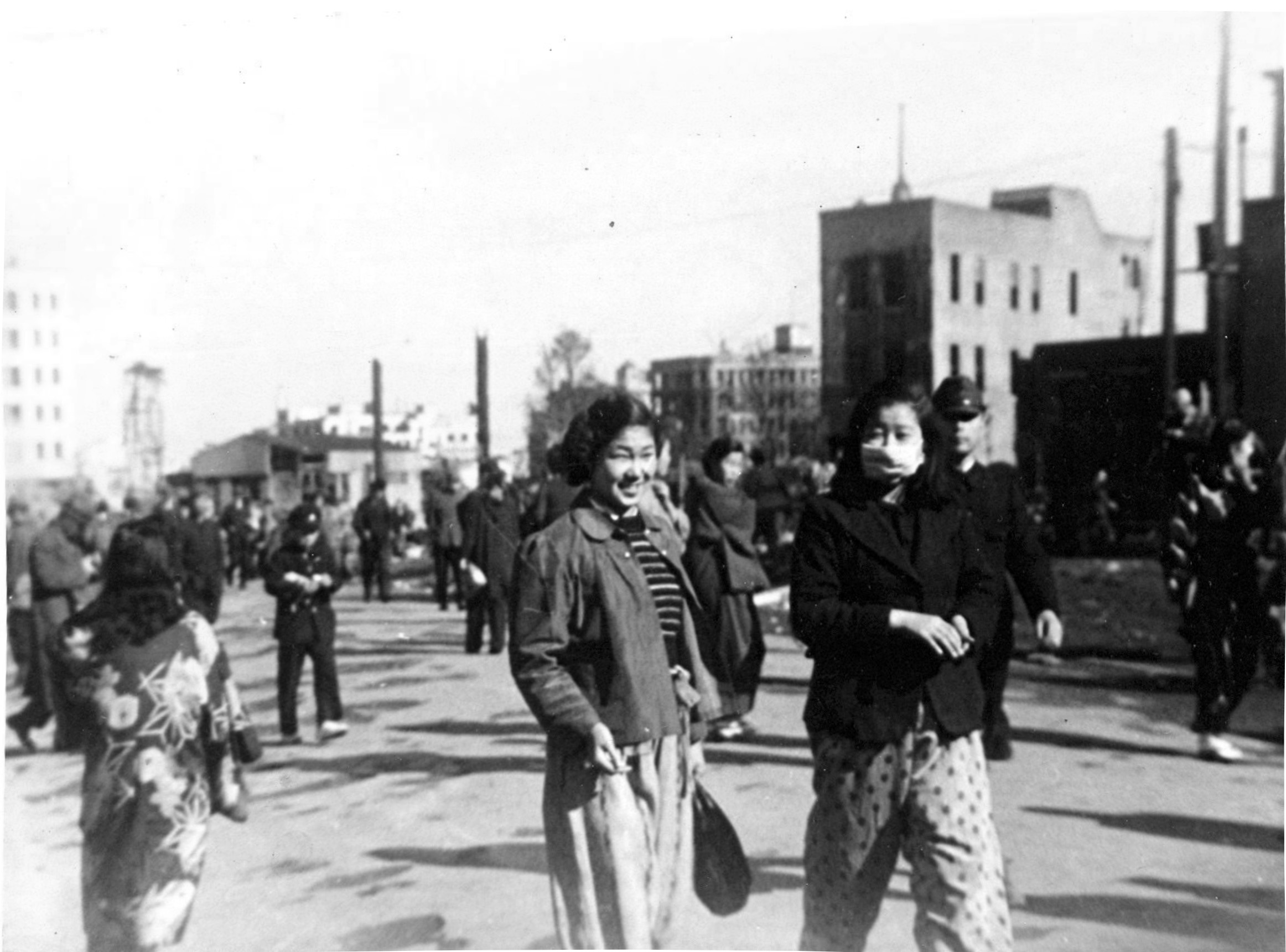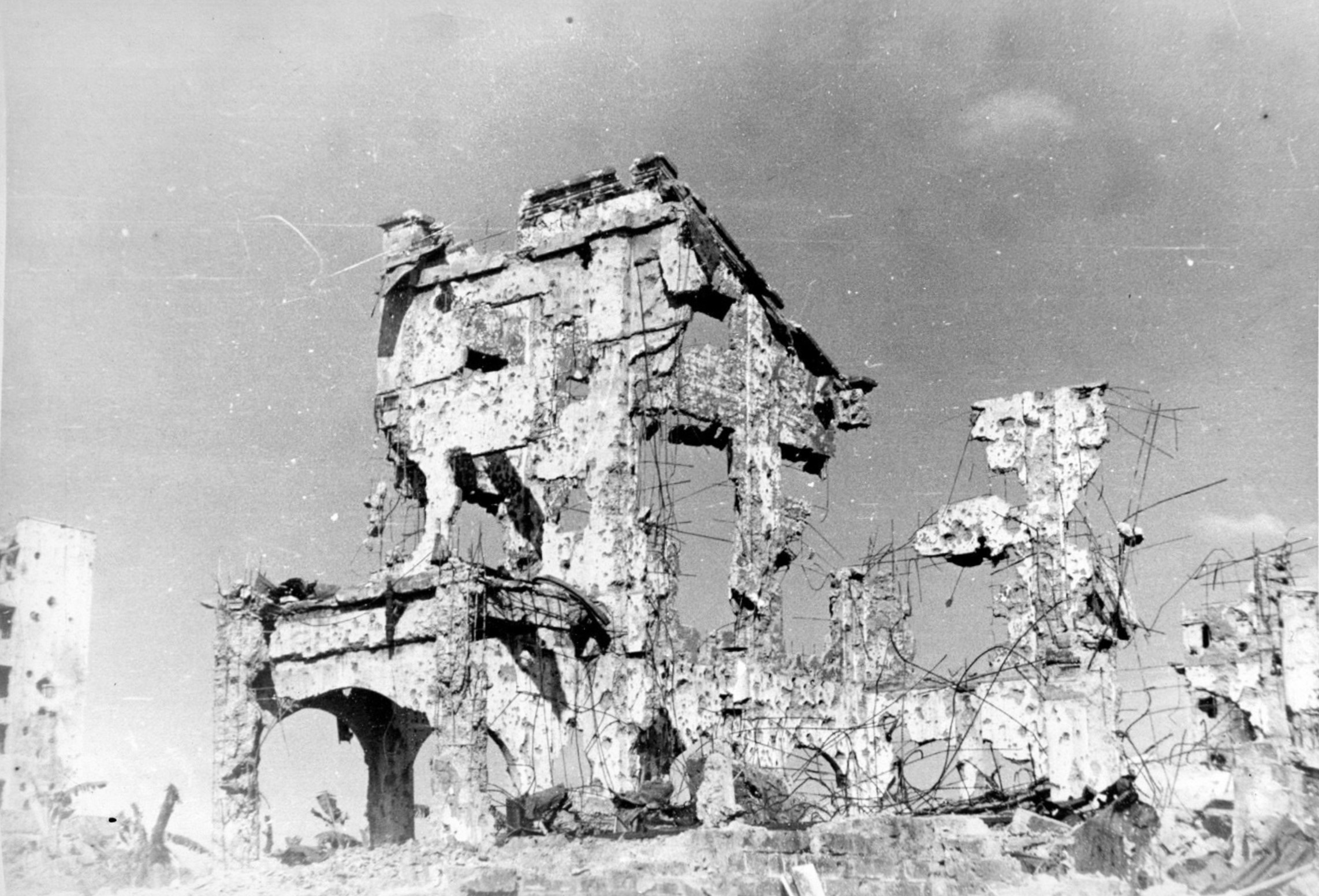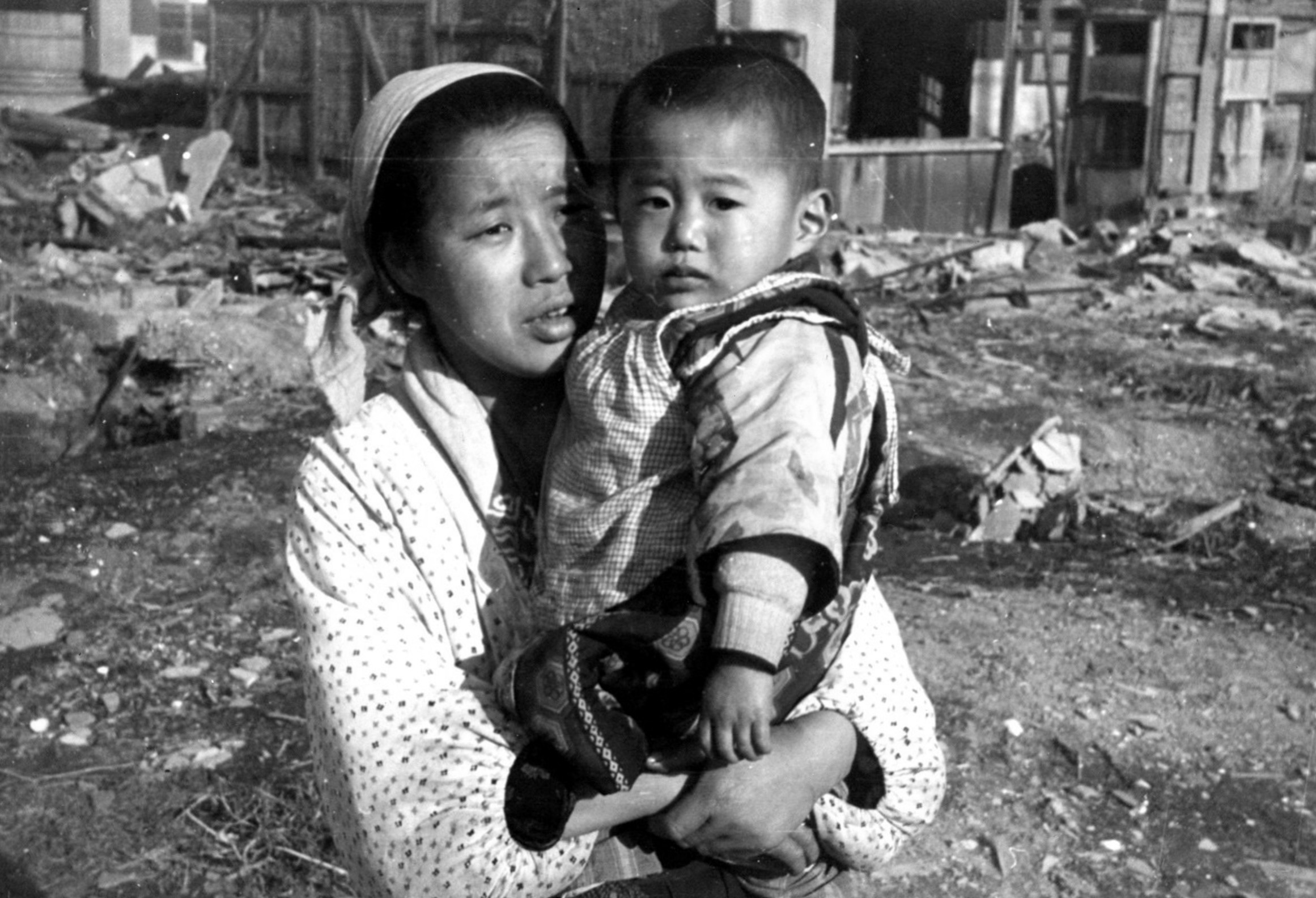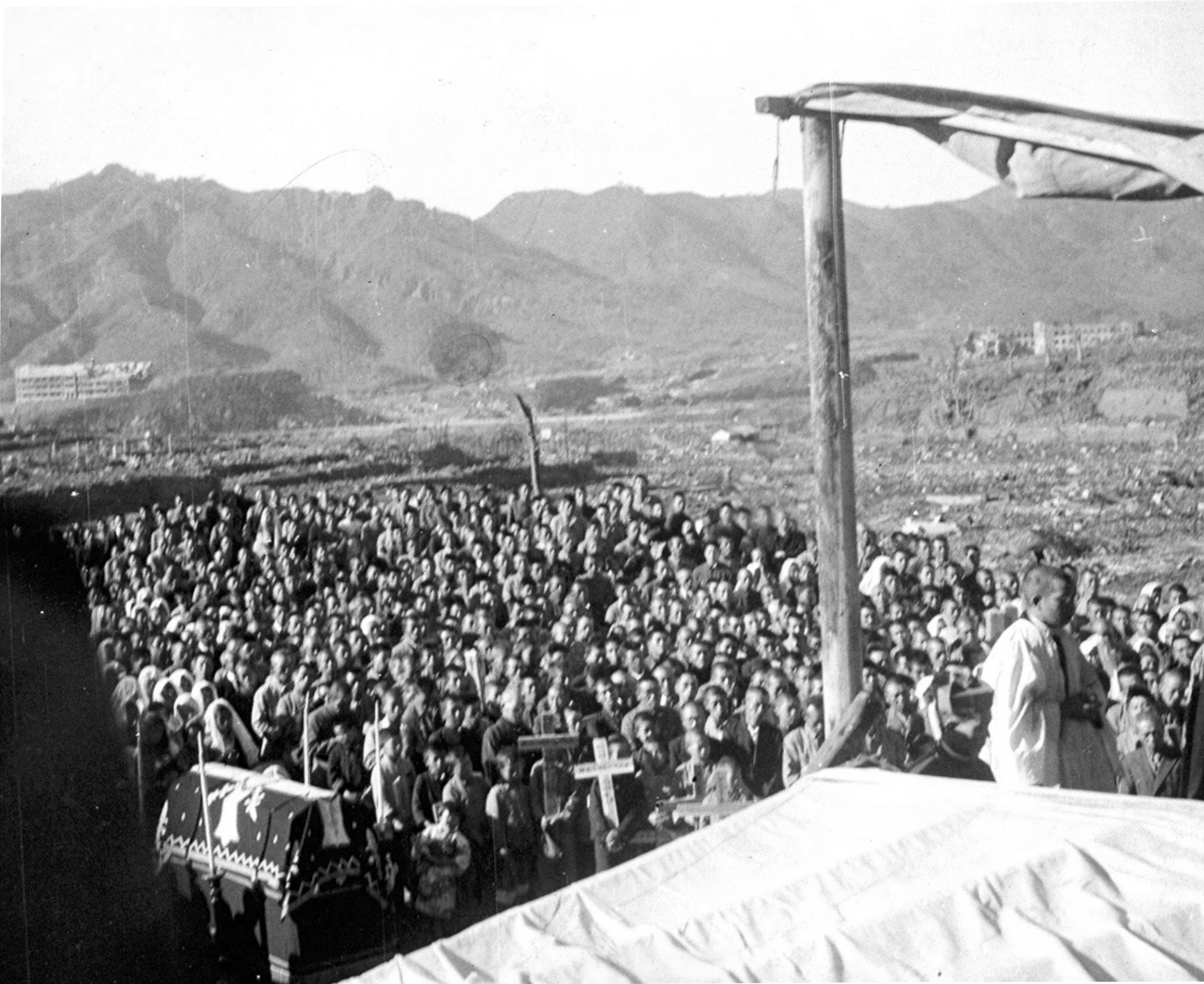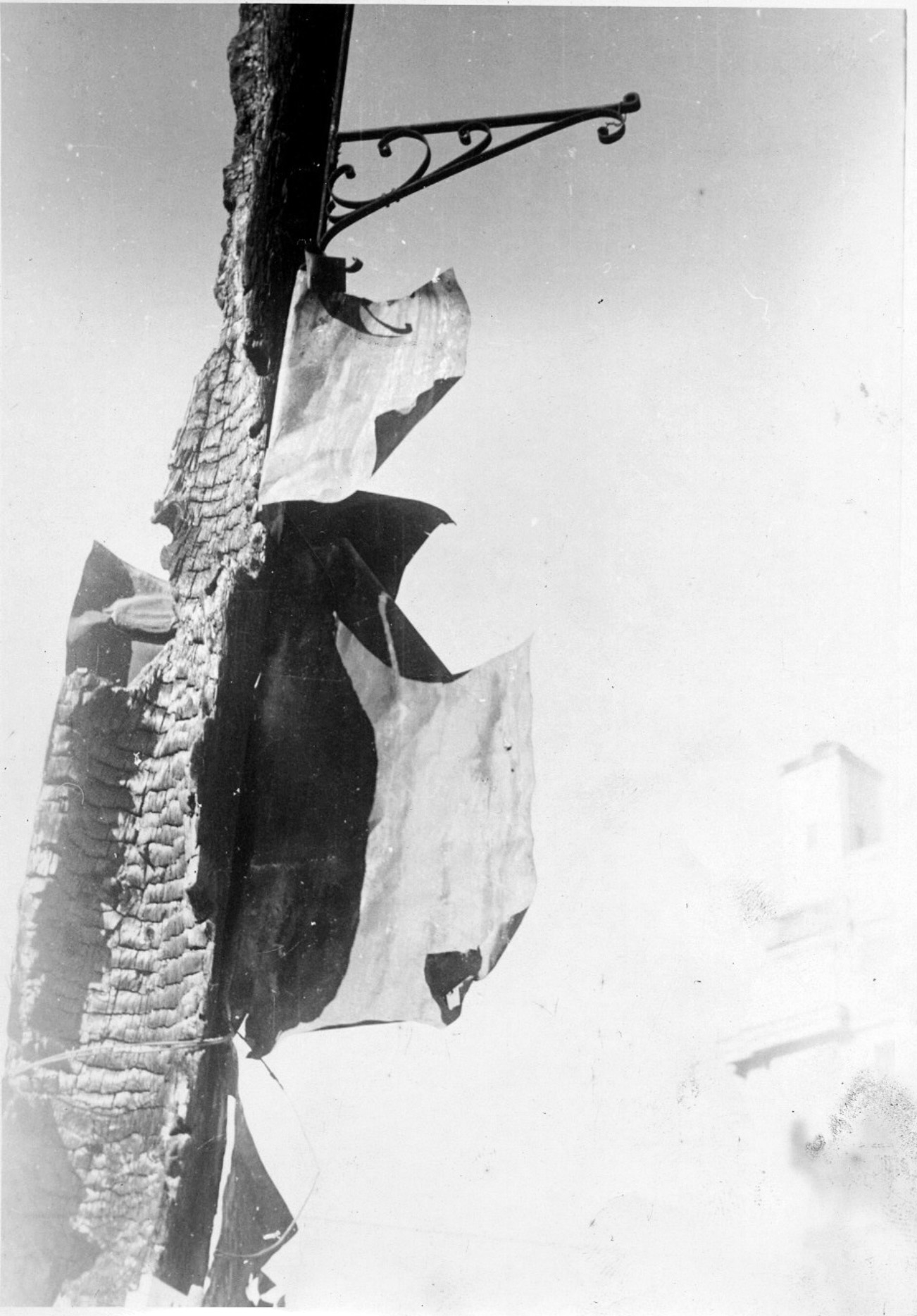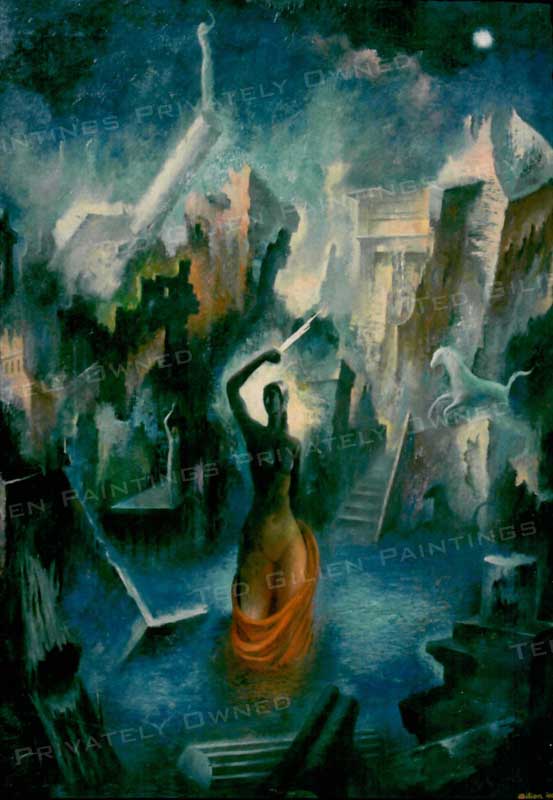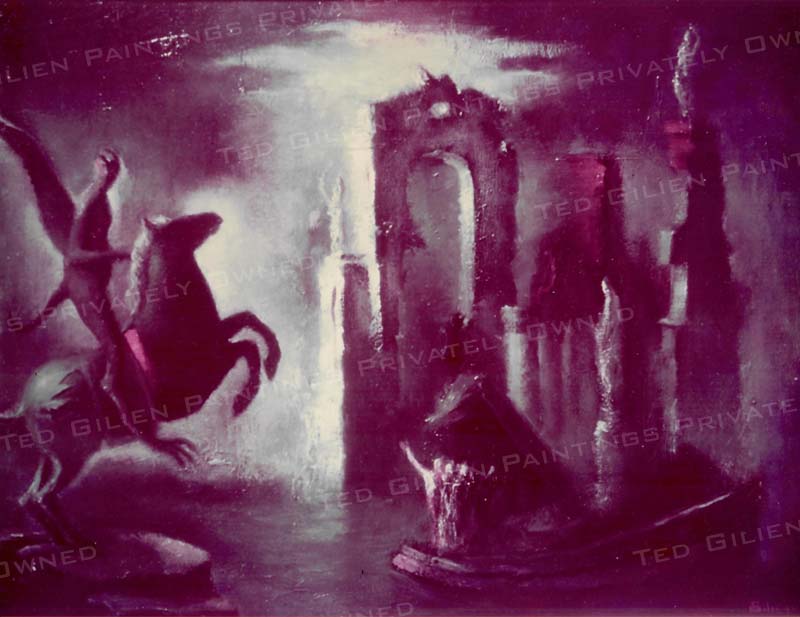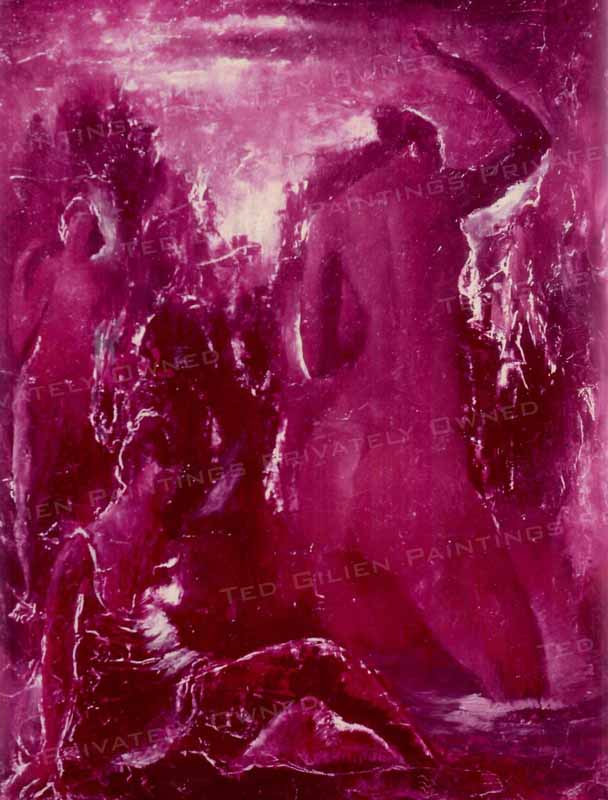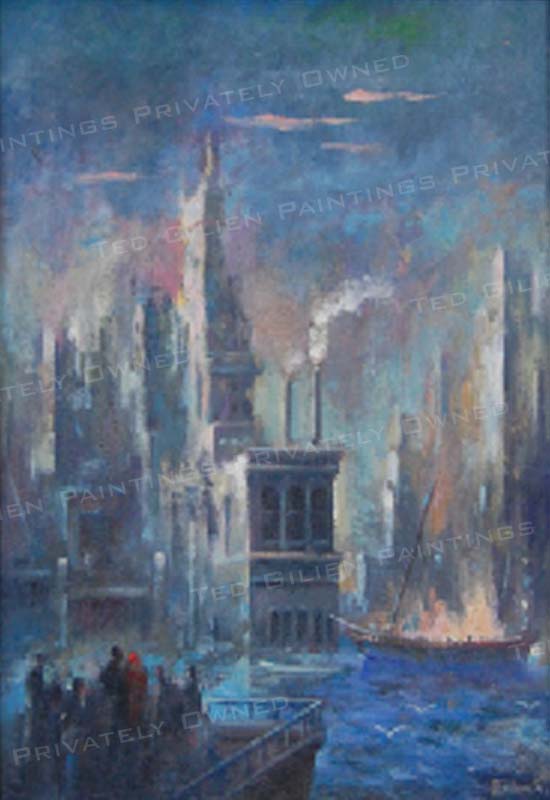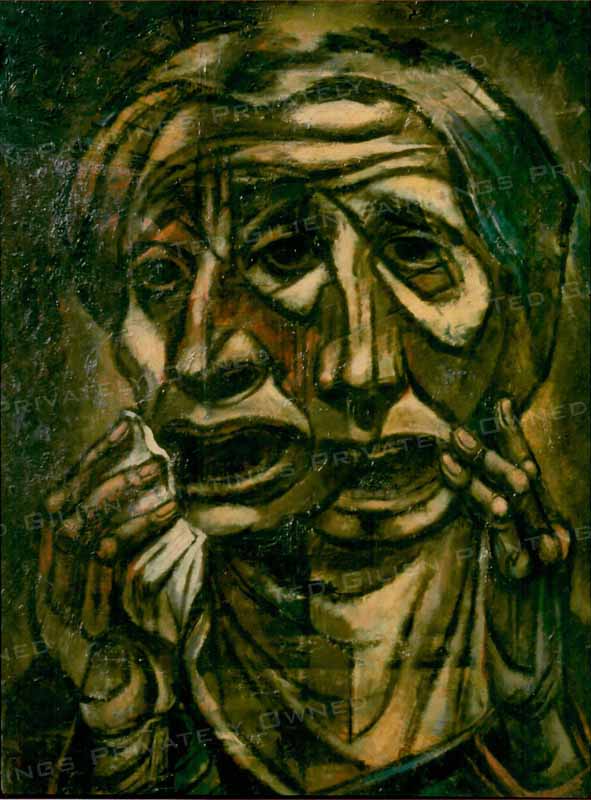
Ted Gilien (1914–1967) was an American painter, muralist, and photographer whose work often confronted the human consequences of war. Born in Brooklyn, New York, he studied at the Art Students League and the National Academy of Design before working as a muralist in the Federal Arts Project during the 1930s. During World War II he served as a U.S. Army combat artist in the South Pacific, where he documented the aftermath of the atomic bombings in Japan. Gilien traveled through devastated cities such as Nagasaki, producing photographs and sketches that recorded destroyed buildings, displaced civilians, and the harsh conditions of postwar life. Many of these photographs later served as source material for his paintings and anti-war imagery.
After the war, Gilien continued to exhibit widely and devoted much of his art to themes of human suffering and the moral cost of conflict. In 1951 he published the book The Price, a collection of fifty anti-war paintings and drawings that reflected on the economic and human toll of warfare. The work stands as a powerful artistic response to the destruction he witnessed in Japan and the Philippines, and it helped establish Gilien as a significant mid-twentieth-century artist engaged with the ethics and memory of war.