
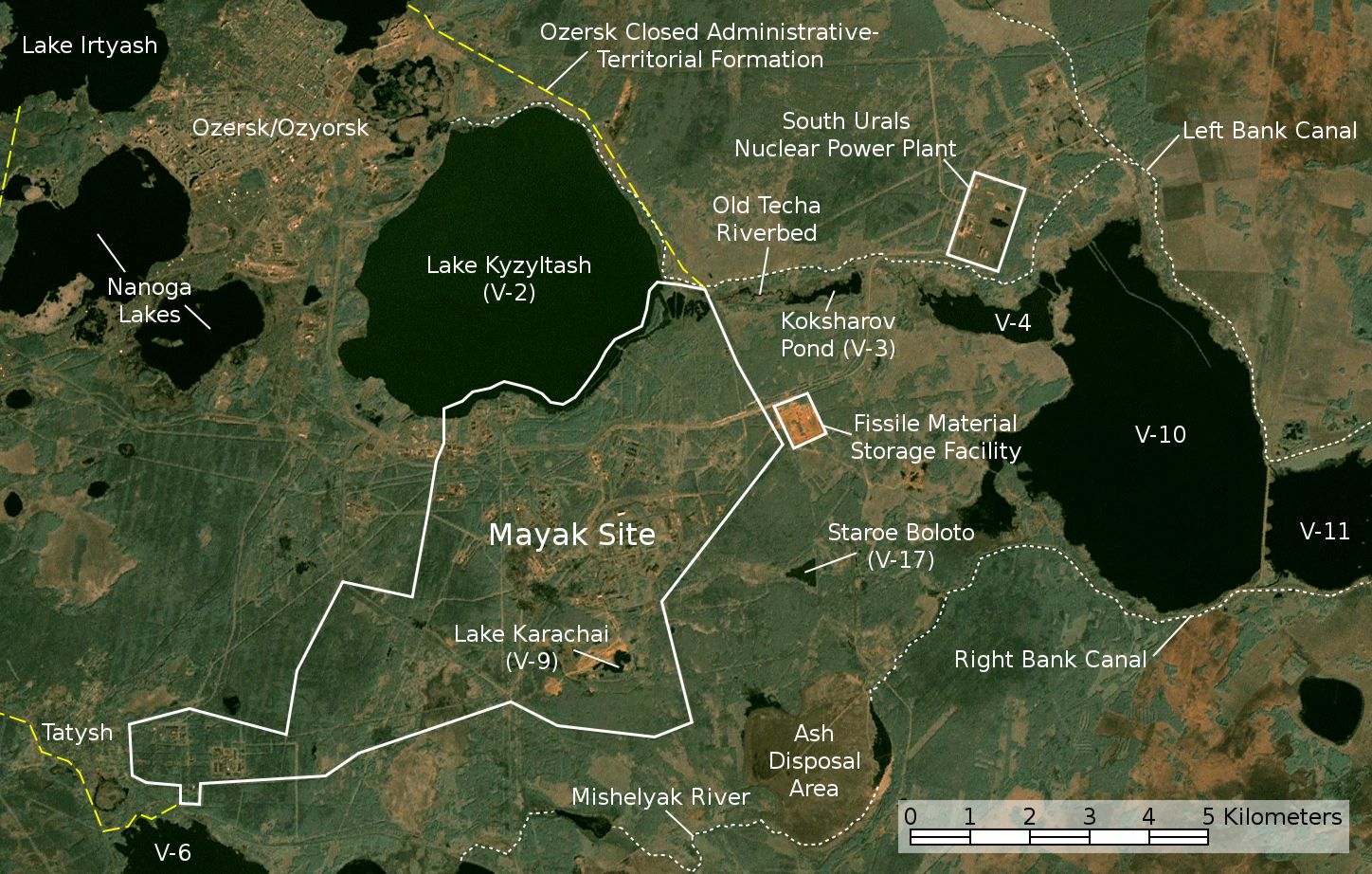
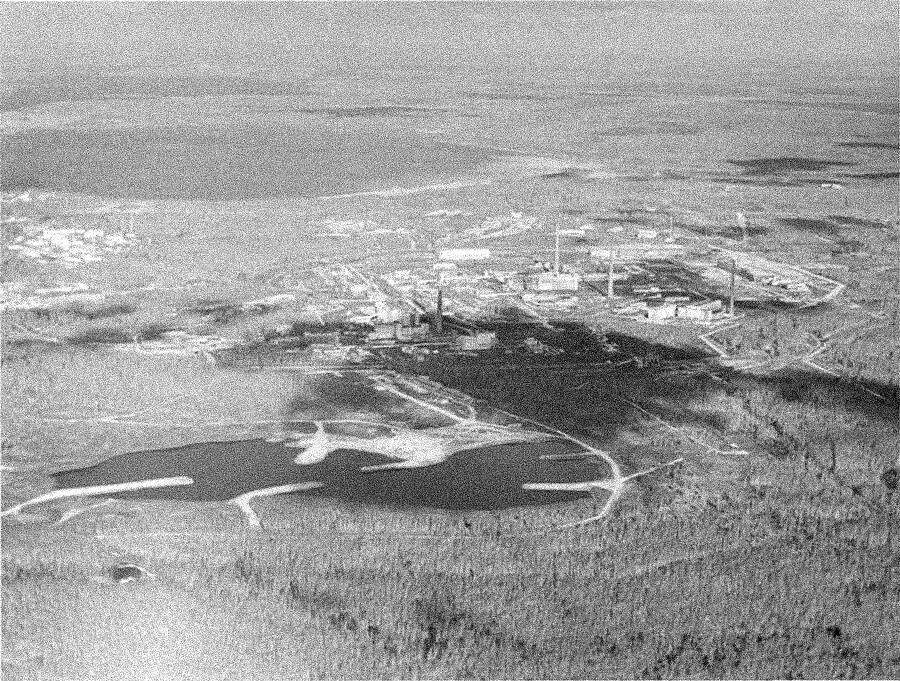
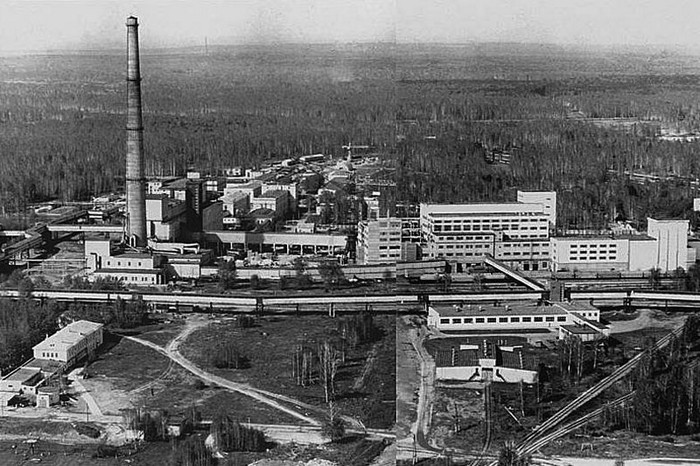
On September 29, 1957, the first radiation accident in the USSR occurred at the Mayak chemical plant in the Chelyabinsk region. It was named the Kyshtym accident after the nearest open town. The accident itself occurred in the then-secret Chelyabinsk-40, now the closed city of Ozersk.
The Kyshtym disaster was one of the most severe nuclear accidents of the Cold War, rooted in the Soviet Union’s early decision to pursue plutonium production rather than uranium enrichment for its first atomic weapons. Instead of enriching uranium-235, Soviet reactors irradiated uranium-238, converting it into plutonium-239—a weapons-grade fissile material—at the secret Mayak Production Association near Ozersk in Chelyabinsk Oblast.
This production route carried an inherent cost. The chemical separation of plutonium-239 from irradiated fuel generated large volumes of intensely radioactive liquid waste, rich in long-lived fission products—most notably strontium-90 and cesium-137. Both isotopes are highly dangerous: strontium-90 mimics calcium and accumulates in bones, increasing leukemia and bone-cancer risk, while cesium-137 behaves like potassium, spreading easily through soft tissue and ecosystems. Managing this waste safely proved far more difficult than anticipated.
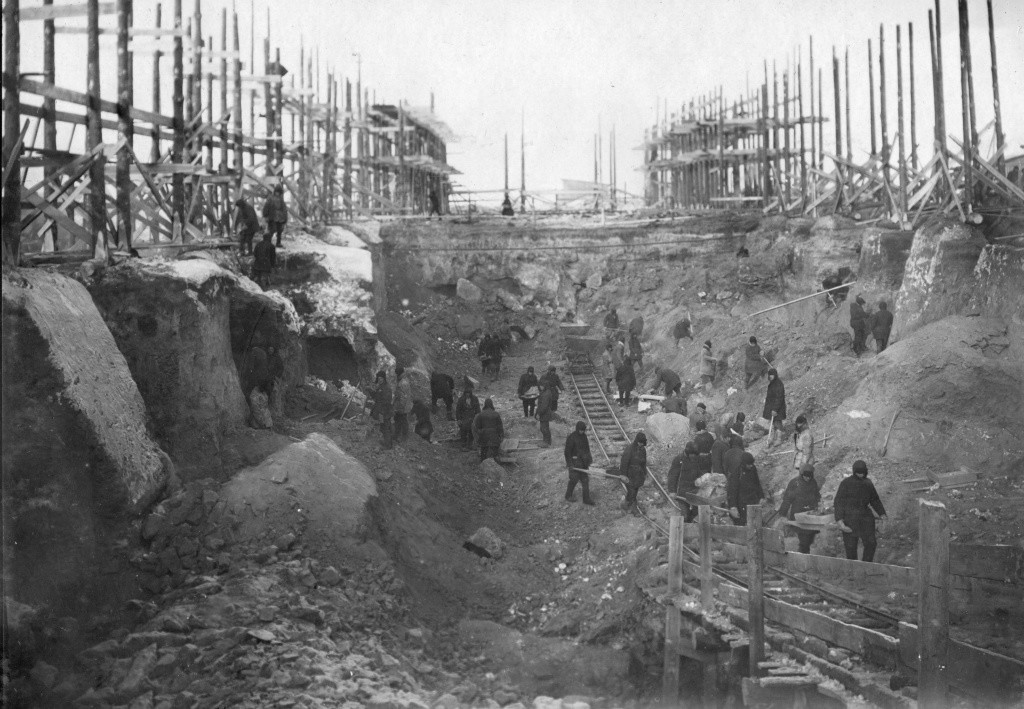
In 1945, around 40,000 prisoners were taken from 12 labor camps and together with nuclear scientists, began construction of the underground nuclear facilities. The Russian convicts agreed to work there in exchange for a lesser sentence. They were given the option to either work 25 years hard labor in Siberia or 5 years underground in City-40. The first nuclear reactor was built in 18 months and additional nearby facilities would be constructed around the area later named Ozersk. Little did the construction workers know that they were signing themselves up for a death sentence. No one would live beyond five years having exposed themselves to such great levels of radiation.
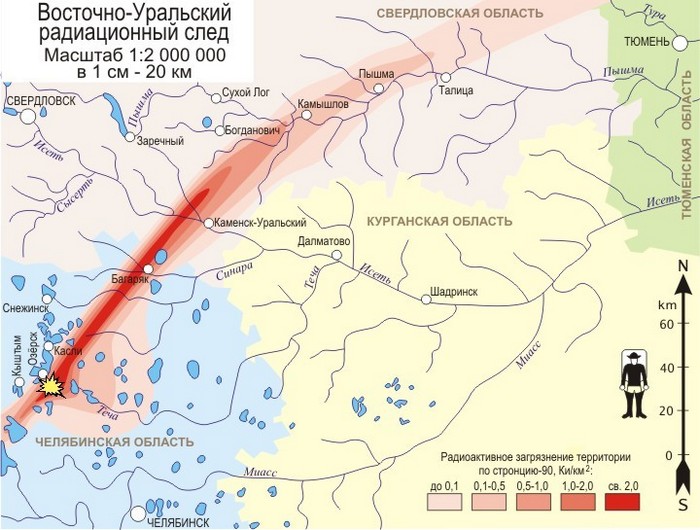
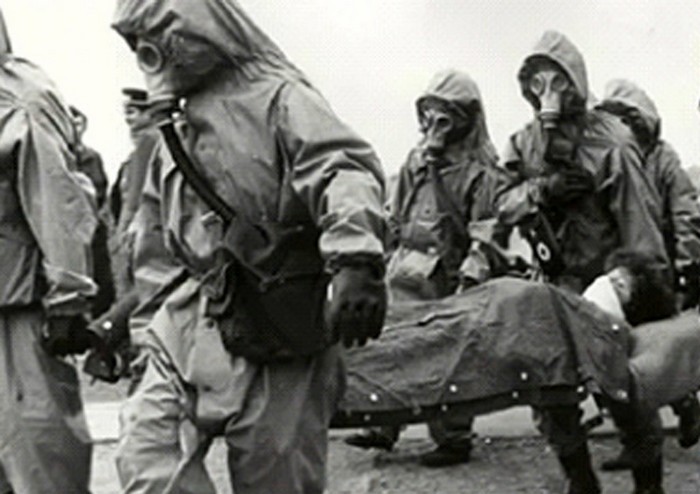
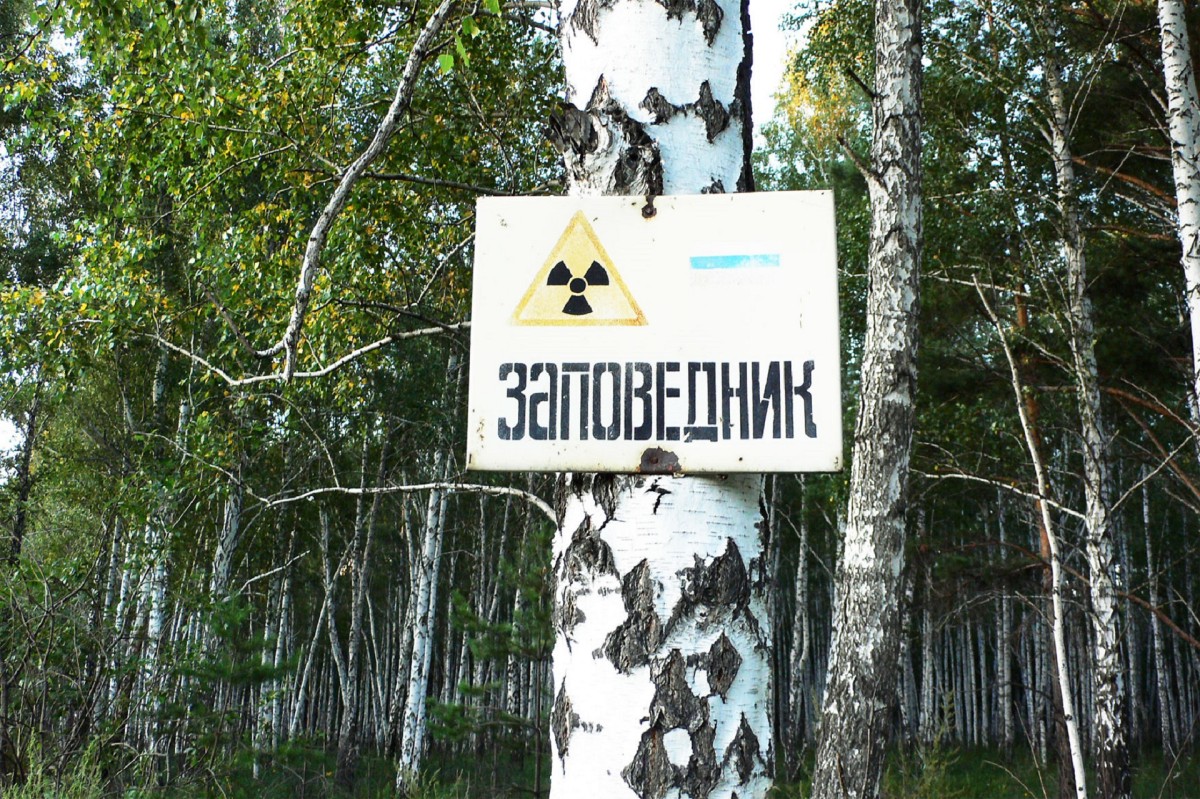
On 29 September 1957, a critical failure occurred when the cooling system of an underground tank storing this high-level waste broke down. As heat from radioactive decay built up unchecked, the contents overheated and detonated in a massive chemical explosion, blowing off a concrete lid weighing several tons. Roughly 20 million curies of radioactivity were released, contaminating a vast area later called the East Ural Radioactive Trace (EURT). The nearby town of Kyshtym gave the accident its name, though it was not the actual site.
Between 1945 and 1957, the Mayak plant dumped and released large amounts of radioactive material into the area immediately around the plant. The waste would also go into a nearby river, Techa, and eventually reach the Arctic ocean. Scientists predict that the sum of radionuclide contamination is estimated to 2-3 times the release from the explosions from the Chernobyl accident. Naturally, such disregard for safety was a recipe for disaster which took place in 1957. An improperly stored underground tank of liquid nuclear waste exploded and contaminated thousands of square kilometers of the territory now known as the Eastern Ural Radioactive Trace (EURT). Subsequently, many people died of radiation-induced cancer, some were diagnosed with chronic radiation syndrome. Around 470,000 people were exposed to radiation.
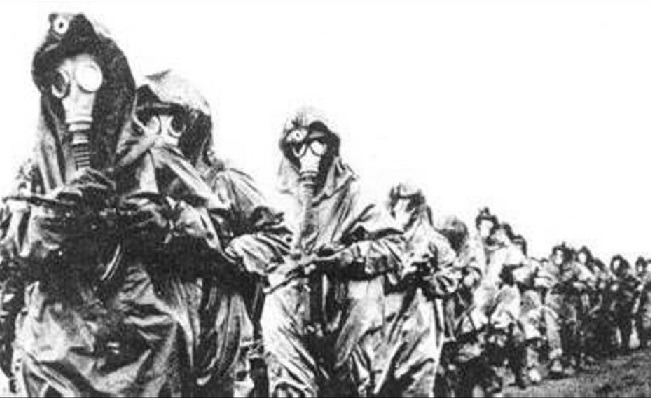
Tens of thousands of people were exposed; villages were evacuated belatedly and often without explanation, while others were left in contaminated zones for years. The long-term health effects—cancers, birth defects, and ecological damage—were exacerbated by continued exposure to strontium-90 and cesium-137 lingering in soil, water, and food chains.
The Soviet state suppressed all information about the accident, classifying it for decades. Only in the late 1970s did fragments of the truth emerge through dissident scientists, and official acknowledgment came in 1989. Today, the Kyshtym disaster is recognized as a Level 6 event on the International Nuclear Event Scale, and as a cautionary case showing how the drive to rapidly produce plutonium-239—combined with secrecy and inadequate waste management—led to one of the most enduring radioactive contaminations of the twentieth century.
Only the country’s top leadership, some plant employees, and the liquidators knew about the Kyshtym accident. Due to Soviet policy, the accident was classified, and the general public only learned of it 32 years later, after the events at the Chernobyl Nuclear Power Plant.


Sources:
https://www.boredpanda.com/secret-closed-nuclear-city-ozersk-russia/
https://journal.ecostandard.ru/ot/world/kyshtymskaya-avariya-chto-proizoshlo-65-let-nazad-i-kak-rabotaet-fgup-po-mayak-segodnya/
https://xn--b1ae4ad.xn--p1ai/blog/post/kyshtymskaya-tragediya-izderzhki-mirnogo-atoma
https://simple.wikipedia.org/wiki/Kyshtym_disaster