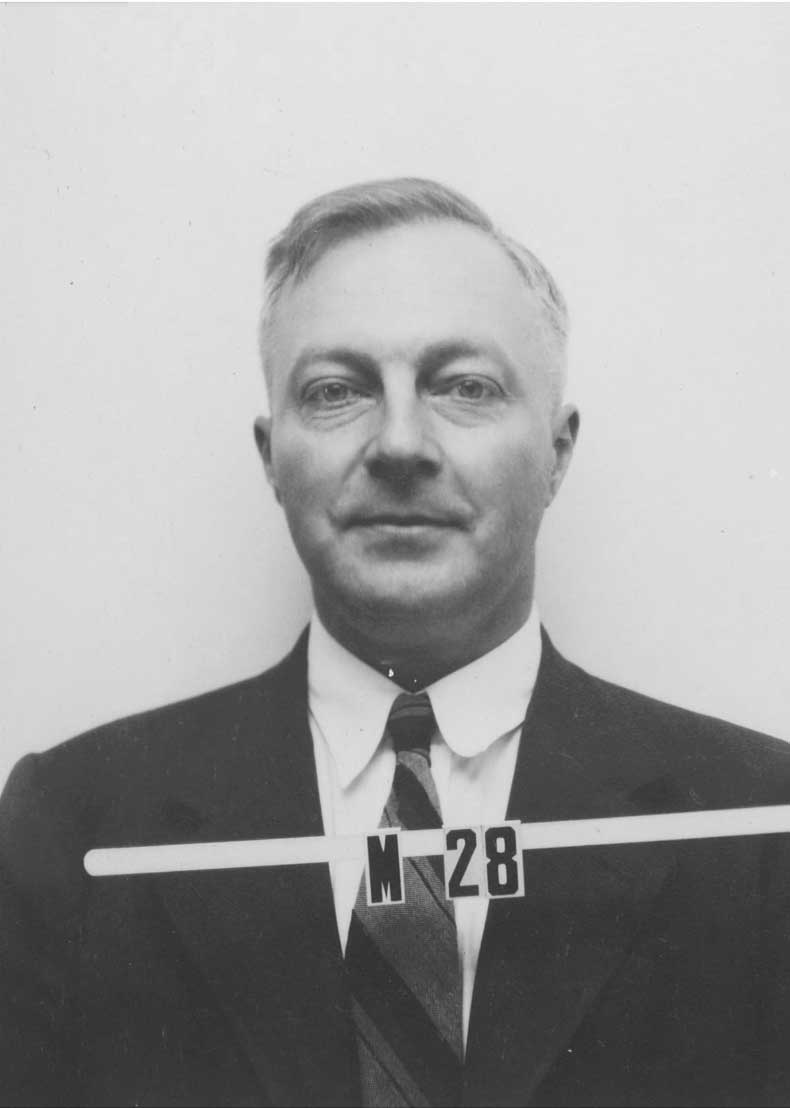
 Julian Mack (1903-1966) was an American physicist.Mack was the leader of Group G-11 (Optics), the photography group, in the Weapons Physics Division at Los Alamos during the Manhattan Project. He coordinated taking high-speed photographs of the Trinity test and other weapons tests. He was a professor of physics at the University of Wisconsin.
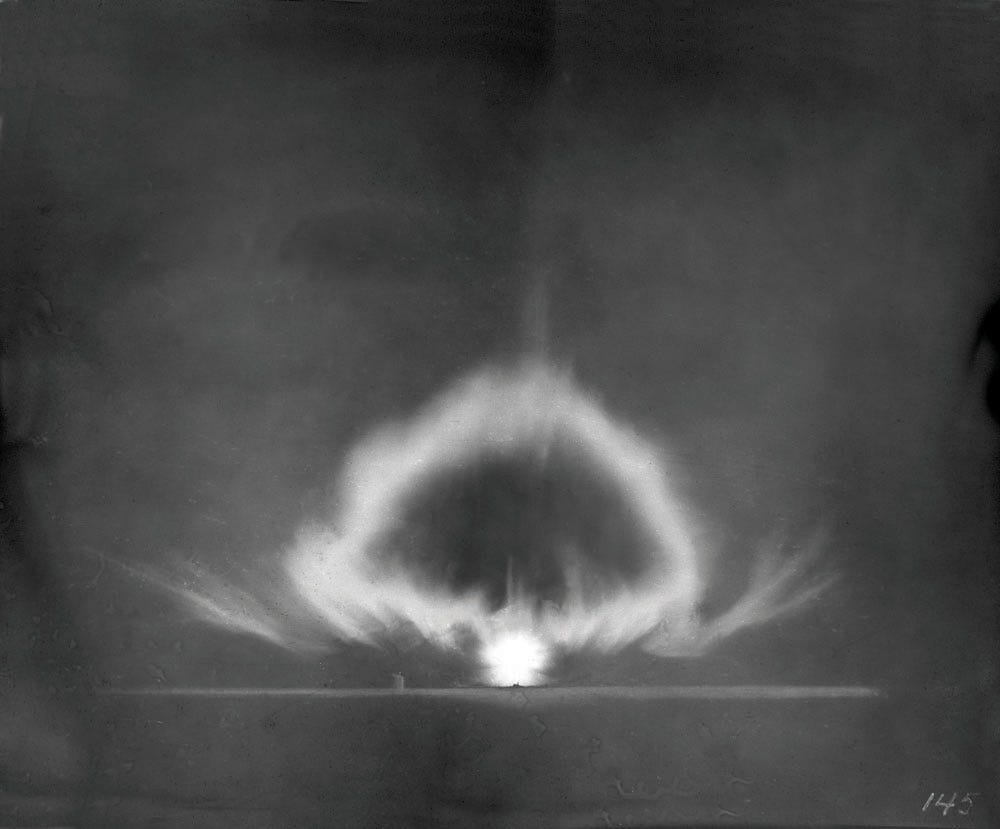
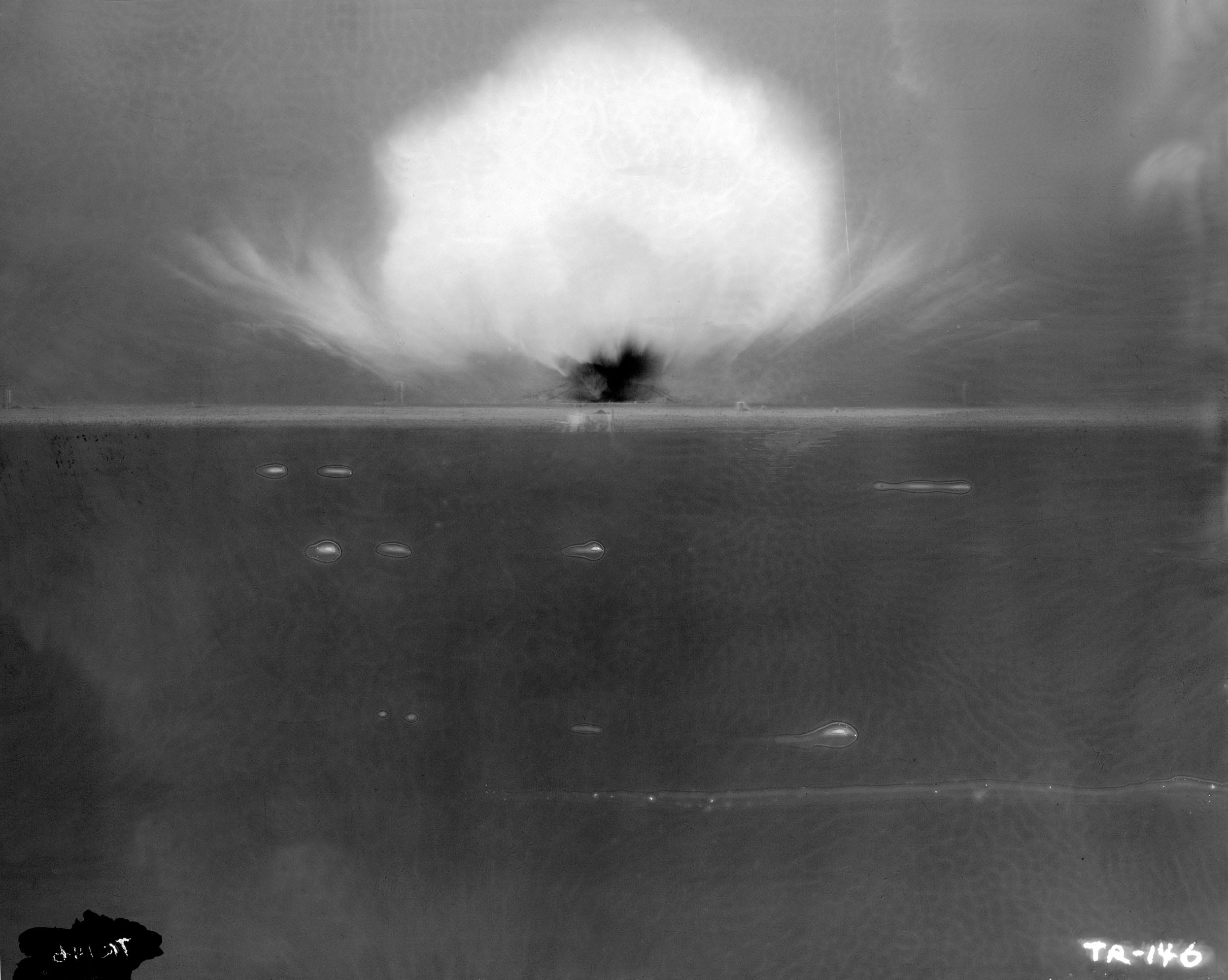
He was one of the world’s leading authorities on atomic spectra and applied optics and during World War II he made major contributions to the optical work involved in the development of the atomic bomb. In 1941-42 he was visiting professor at Princeton. He stayed there the next academic year working on the Isotron Project in uranium research. From 1943 until 1946 he was active in the Manhattan Project at Los Alamos, New Mexico heading the Optics Group on the bomb project from 1944 until he returned to the University of Wisconsin. In 1945 his Group developed the instruments and high-speed photographic techniques necessary to film the first atomic bomb explosion at Alamogordo, New Mexico and he was the scientist in charge of collecting optical data at this explosion which he witnessed.
He is best known for his pinhole photographs of the Trinity Test in July 1945, the world’s first nuclear detonation. Using simple, rugged pinhole systems designed to withstand extreme light and radiation, Mack helped record the formation and expansion of the atomic fireball.