Volodymyr Repik, Ukrainian (Volodymyr Repik, Володимир Репік, Russian Vladimir Repik Владимир Репик) was a Soviet photojournalist who worked with , the state-run news agency. He is remembered today as one of the first photographers to document the Chernobyl nuclear disaster in April 1986. At a time when information about the explosion was tightly controlled by the Soviet authorities, Repik’s work provided some of the earliest visual evidence of the catastrophe.
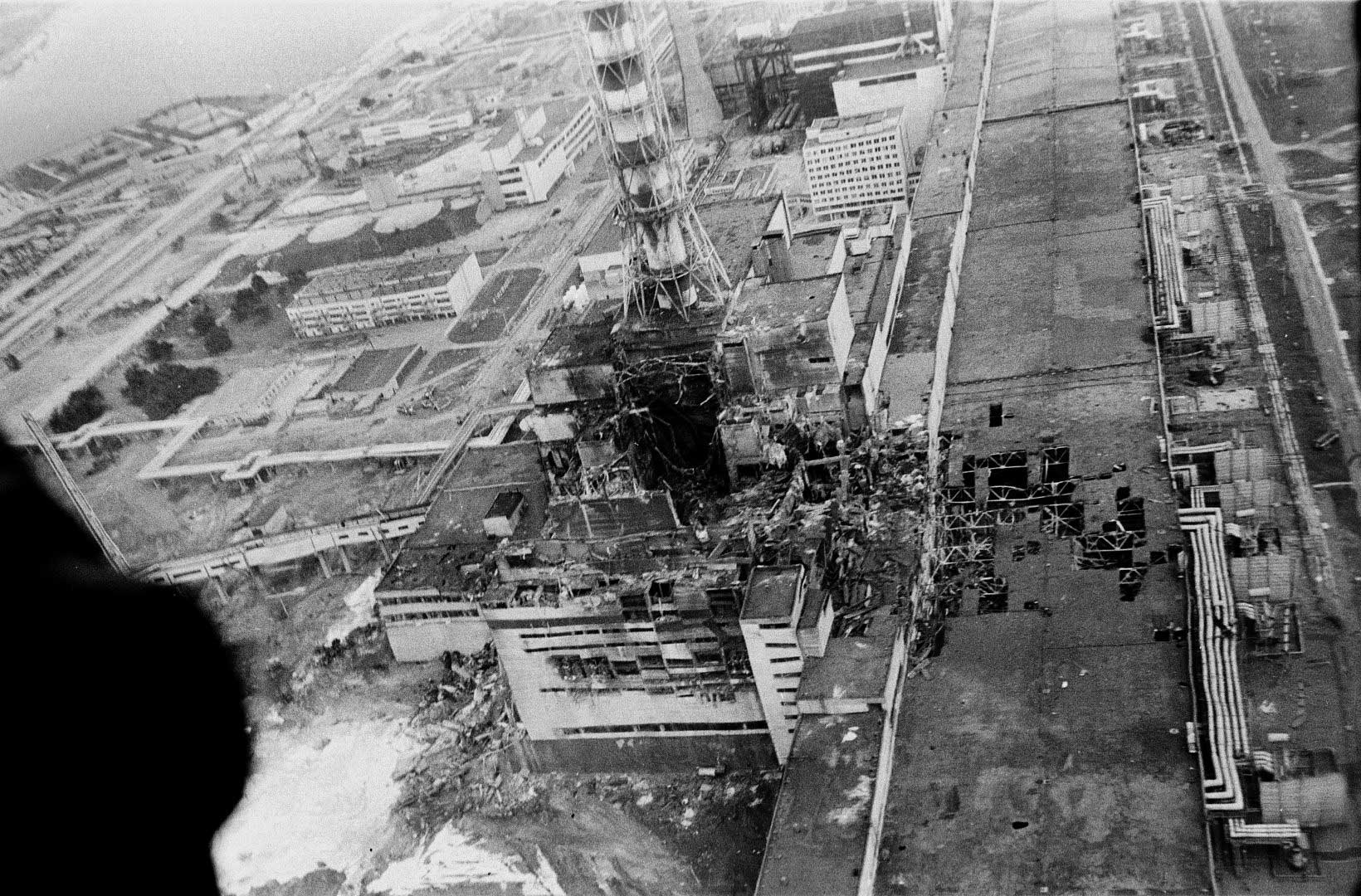
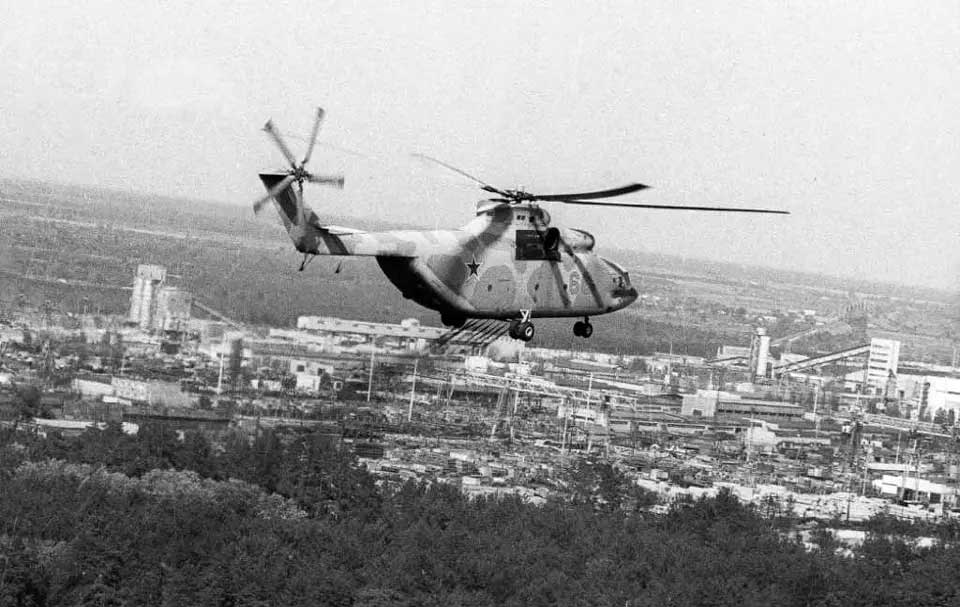
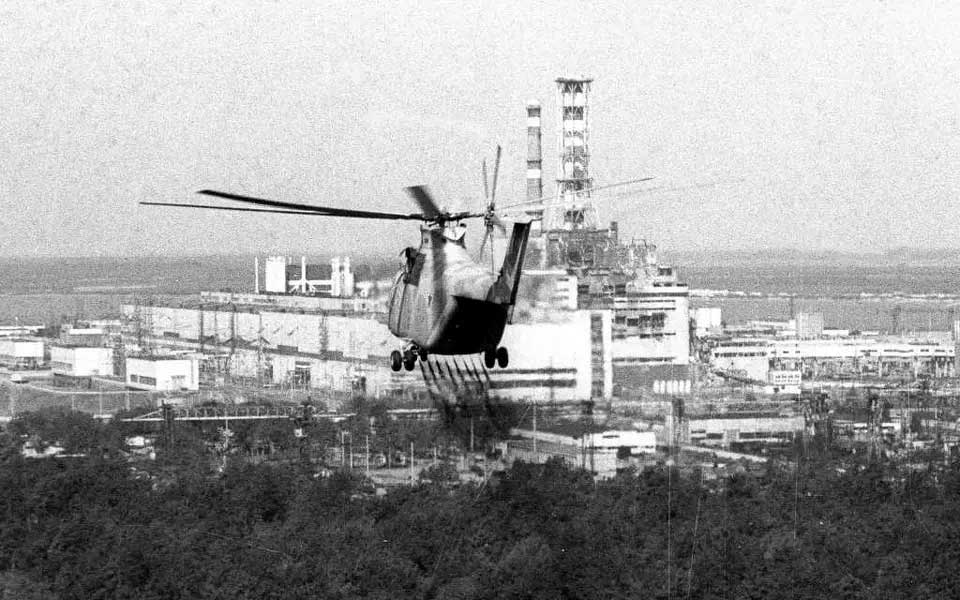
Just days after the explosion at Reactor No. 4, Repik was granted access to the site. From a helicopter flying over the wrecked plant, he captured an image that would become the first photograph of Chernobyl published in Pravda, the Soviet Union’s most influential newspaper. His pictures offered a rare glimpse into the scale of the disaster at a moment when the state was still trying to downplay its severity.
Repik’s assignment came at great personal risk. Like several other photographers who entered the contaminated zone, he was exposed to dangerously high levels of radiation while carrying out his work. This exposure would later take a heavy toll on his health. Repik ultimately died from a radiation-related illness, a fate shared by a number of those who had been on the front lines of documenting the tragedy.
Though his life was cut short, Volodymyr Repik’s photographs remain an important historical record. Alongside the work of fellow photographers such as Igor Kostin and Valery Zufarov, his images form part of the small but vital visual archive of the disaster’s immediate aftermath. Today, they are recognized not only as evidence of the world’s worst nuclear accident, but also as a testament to the courage of the journalists who risked their lives to make the truth visible.
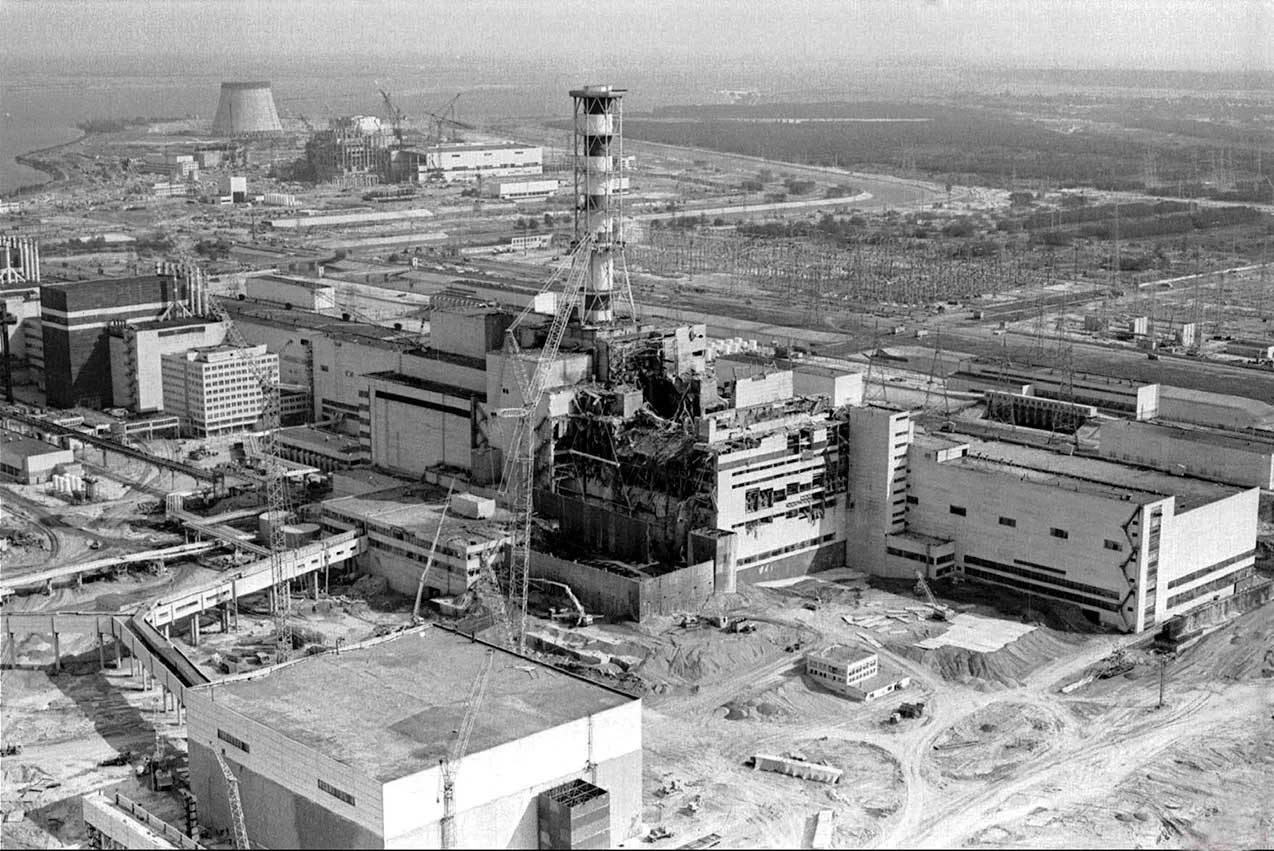
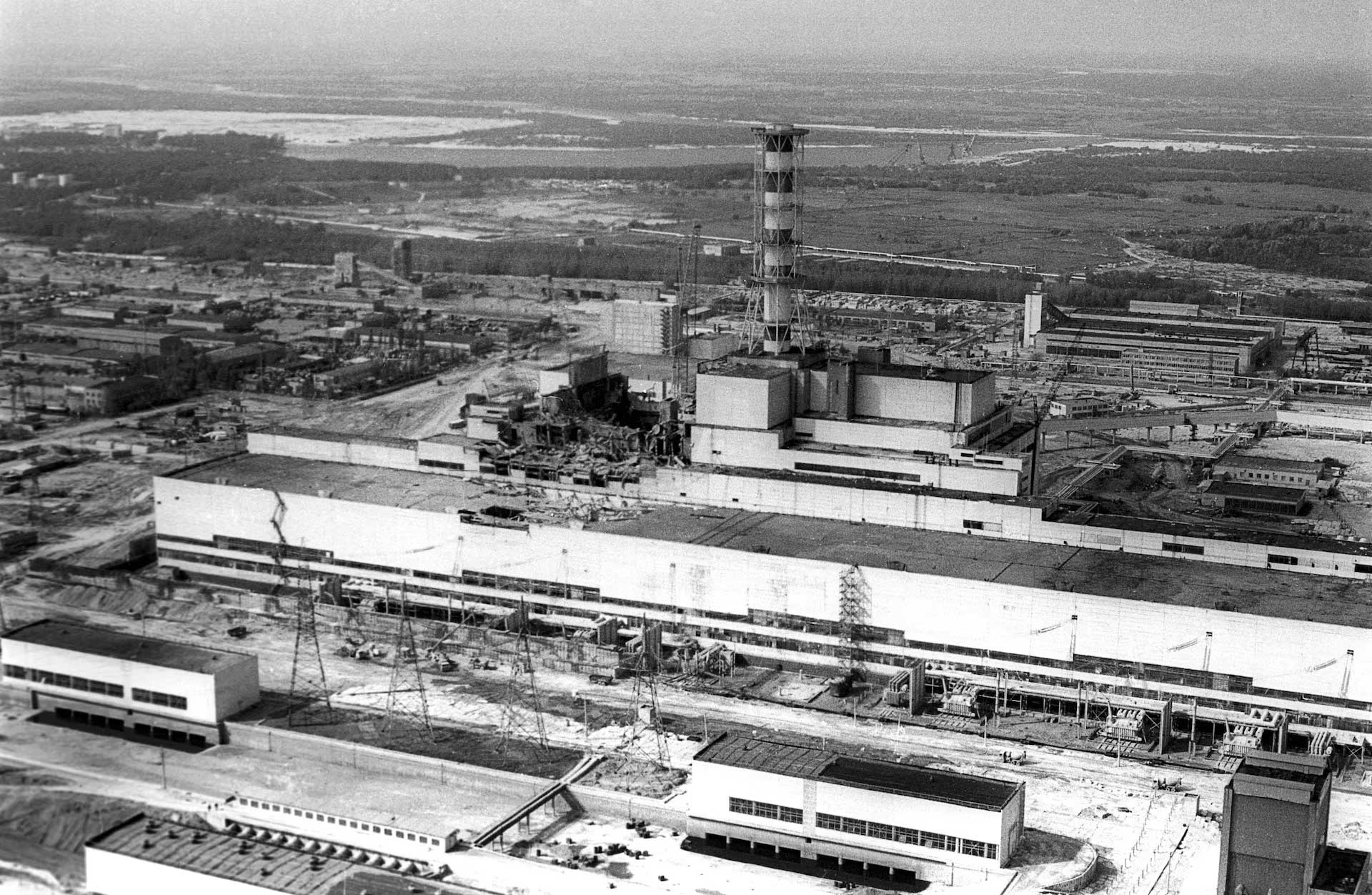
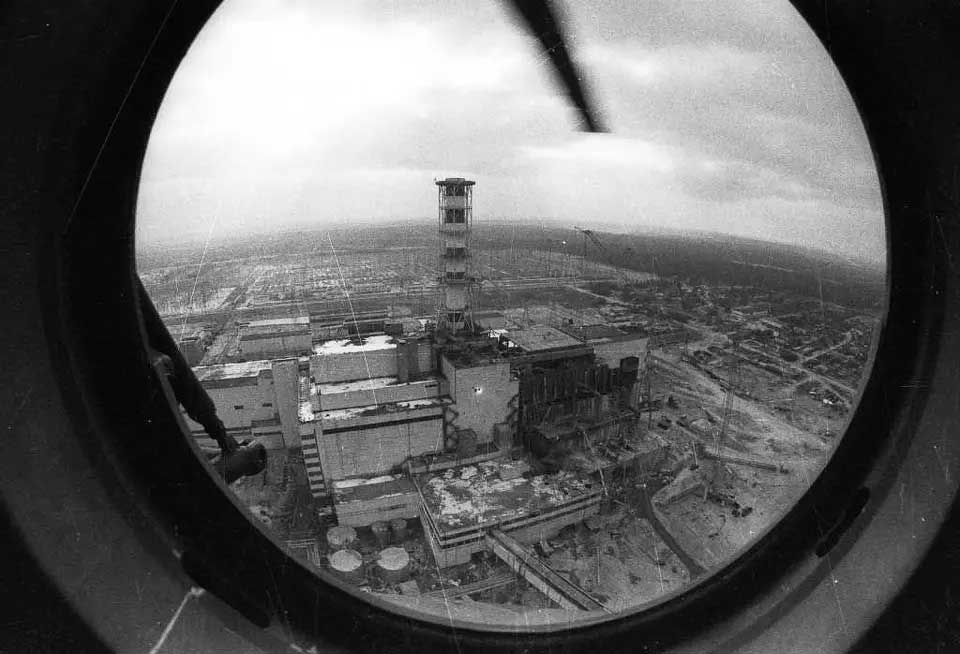
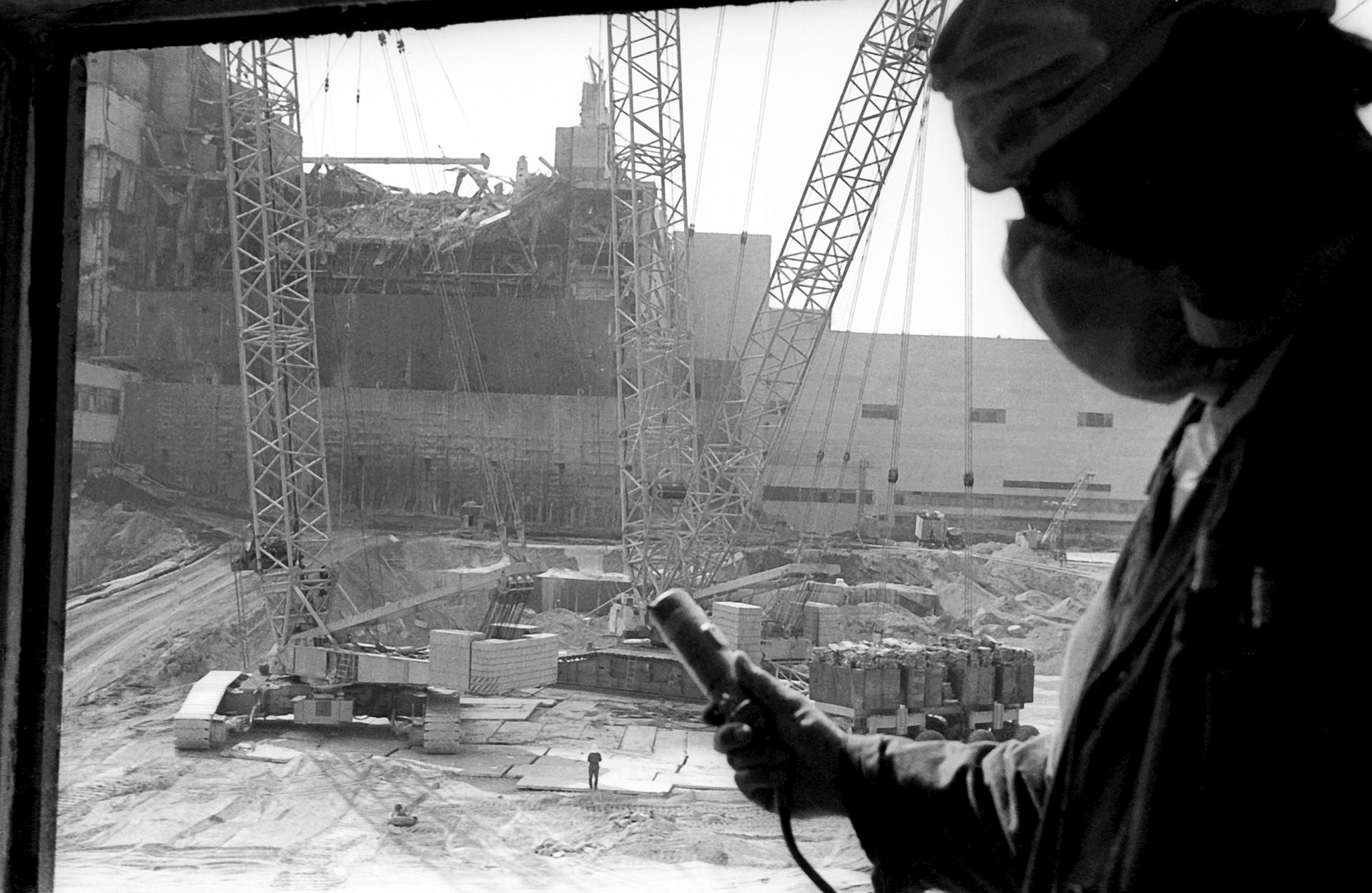
In this 1986 aerial view of the Chernobyl nuclear plant in Chernobyl, Ukraine shows damage from an explosion and fire in reactor four on April 26, 1986 that sent large amounts of radioactive material into the atmosphere. Only three Tass photographers were allowed in -- Volodymyr Repik, Igor Kostin and Valery Zufarov. Two later died of radiation-related illnesses, and Kostin suffered from the effects for decades before dying in a car accident in 2015. In this May 1986 file photo, the Chernobyl nuclear power plant, the site of the world's worst nuclear accident, is seen in Chernobyl, Ukraine. Twenty-five years ago, the Chernobyl Nuclear Power Plant exploded in Ukraine, spreading radioactive material across much of the northern hemisphere. The April 26, 1986 explosion at the Chernobyl nuclear power plant affected about 3.3 million Ukrainians, including 1.5 million children, according to Ukraine's Chernobyl Union report. The plant was closed for good in 2000. The Chernobyl nuclear power plant after the explosion of its fourth reactor.In this 1986 photo, a chimney and the sarcophagus under construction over the 4th destroyed reactor at the Chernobyl nuclear power plant is seen through a helicopter window. On May 12, 1986, more than two weeks after the explosion, the leading Soviet daily newspaper Pravda published its first photograph from the site for the first time, shot three days earlier from a helicopter by Repik. "If I had been ordered now to get aboard and go, I would not have gone _ you might have easily died there for nothing," said the 65-year-old Repik.In this 1986 photo, a helicopter throwing chemicals to suppress radiation approaches the 4th destroyed reactor at the Chernobyl nuclear power plant in. On May 12, 1986, more than two weeks after the explosion, the leading Soviet daily newspaper Pravda published its first photograph from the site for the first time, shot three days earlier from a helicopter by Repik. "If I had been ordered now to get aboard and go, I would not have gone _ you might have easily died there for nothing," said the 65-year-old Repik.In this 1986 photo, a helicopter throwing chemicals to suppress radiation approaches the 4th destroyed reactor at the Chernobyl nuclear power plant in. On May 12, 1986, more than two weeks after the explosion, the leading Soviet daily newspaper Pravda published its first photograph from the site for the first time, shot three days earlier from a helicopter by Repik. "If I had been ordered now to get aboard and go, I would not have gone _ you might have easily died there for nothing," said the 65-year-old Repik.In this 1986 photo, a Chernobyl nuclear power plant worker holding a dosimeter to measure radiation level is seen against the background of a sarcophagus under construction over the 4th destroyed reactor, Ukraine. On May 12, 1986, more than two weeks after the explosion, the leading Soviet daily newspaper Pravda published its first photograph from the site for the first time, shot three days earlier from a helicopter. (
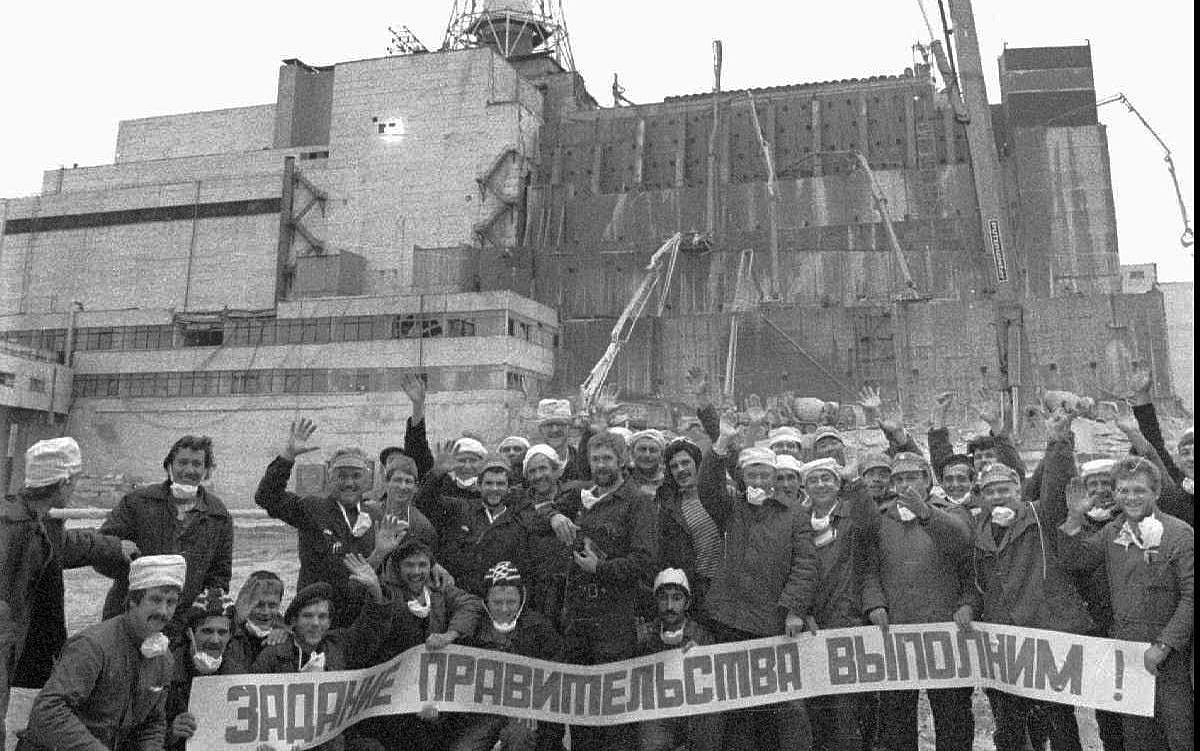
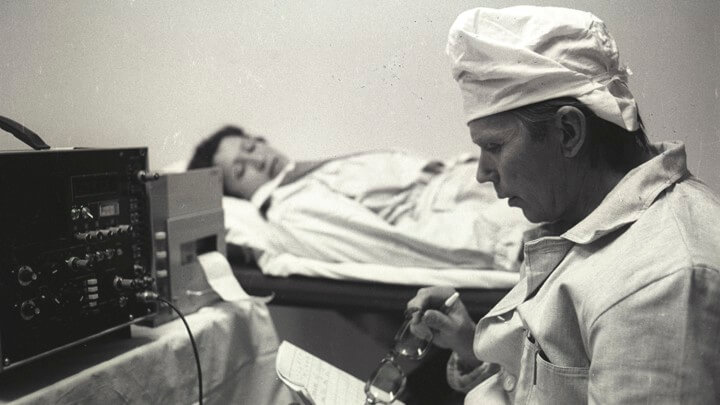
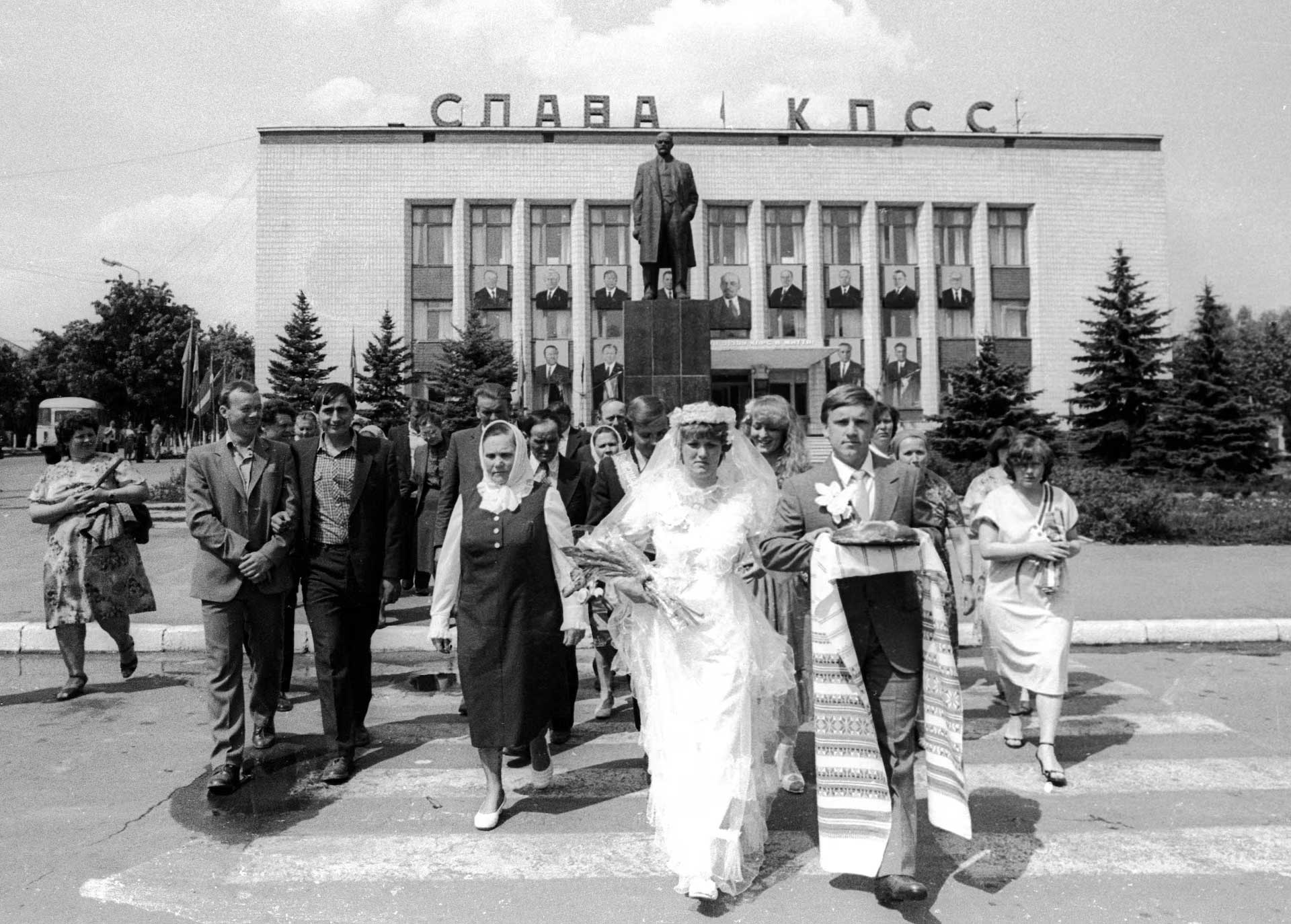
Workers who constructed the base for a cement sarcophagus to cover Chernobyl’s exploded Reactor 4 pose, in front of the still-exposed destroyed reactor building, with a poster reading: “We carried out the mission ordered by the government!”.An employee (back) of the Chernobyl nuclear power plant undergoes medical inspection at a medical center in the building of a young pioneers’ camp after the explosion of the fourth reactor in May 1986. A wedding party crosses a street weeks after the Chernobyl nuclear disaster in the settlement of Polesskoe, near Chernobyl

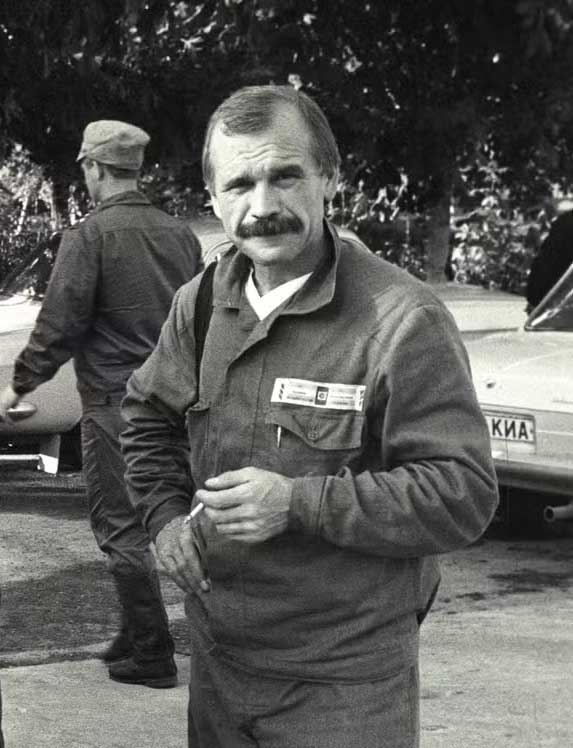 Volodymyr Repik, Ukrainian (Volodymyr Repik, Володимир Репік, Russian Vladimir Repik Владимир Репик) was a Soviet photojournalist who worked with , the state-run news agency. He is remembered today as one of the first photographers to document the Chernobyl nuclear disaster in April 1986. At a time when information about the explosion was tightly controlled by the Soviet authorities, Repik’s work provided some of the earliest visual evidence of the catastrophe.